
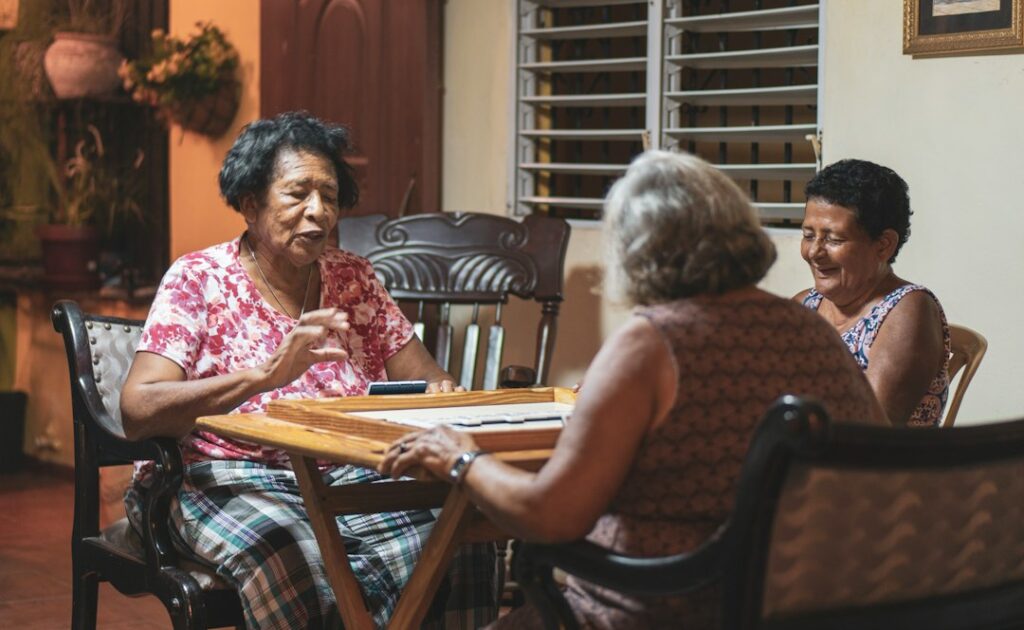
What is senior isolation?
Senior isolation is a lack of regular social contact, meaningful conversation, or participation in shared activities. It can happen even when an older adult lives near family members, especially after retirement, the loss of a spouse, reduced mobility, hearing changes, or a move away from familiar neighbors.
Loneliness and isolation are related but not identical. Loneliness describes how someone feels, while isolation describes limited contact with other people. A person may feel lonely in a crowded setting, while another may enjoy living alone if regular social connections are available.
Assisted living can help reduce isolation by making everyday interaction easier, more predictable, and more accessible. The setting does not eliminate loneliness automatically, but it can create more opportunities for companionship and participation.
How does assisted living create daily opportunities for connection?
Assisted living typically brings residents together in shared spaces and around recurring daily routines. Meals, recreational programs, lounges, outdoor areas, and group events give residents natural chances to see and speak with others without having to arrange every interaction independently.
This matters because social connection often depends on repeated, low-pressure contact. A brief conversation at breakfast may lead to a shared activity later in the week. Familiar faces can also make it easier for a new resident to feel comfortable joining a group.
Common opportunities may include:
- Shared meals and informal conversation
- Exercise, stretching, or movement programs
- Card games, crafts, music, and discussion groups
- Religious, cultural, or seasonal observances
- Gardening, outdoor sitting, or walking groups
- Birthday gatherings and resident celebrations
- Educational presentations and current-events discussions
The value is not limited to large events. Small interactions, such as greeting a neighbor in a hallway or sharing coffee in a common room, can provide structure and human contact throughout the day.
Why are shared meals useful for older adults?
Shared meals can provide one of the most consistent forms of social contact in assisted living. Eating alone may become routine after a spouse dies or physical limitations make meal preparation difficult. A communal dining setting adds conversation and a regular reason to leave a private apartment.
Meals also offer practical clues about well-being. Changes in appetite, eating habits, or participation may be noticed more quickly when residents dine around others. That does not mean every meal should be social. Residents may still prefer privacy at times, but having a shared option can reduce the risk of spending entire days alone.
For some older adults, dining with others also makes meals more enjoyable and encourages a more regular schedule. This can be especially helpful during winter weather, when walking conditions or shorter daylight hours may make outside activities less appealing.
Can assisted living help residents who have mobility limitations?
Yes. Assisted living can reduce social isolation by bringing activities, dining, and social areas closer to where residents live. An older adult who has difficulty driving, using public transportation, walking long distances, or managing stairs may otherwise lose access to regular social activities.
Accessibility does not guarantee participation, but it removes some common barriers. Depending on the setting and the resident’s needs, helpful features may include:
- Elevators, ramps, and accessible hallways
- Seating areas near common routes
- Transportation arrangements for selected outings
- Activities held at different times of day
- Assistance with getting to meals or programs
- Outdoor areas designed for easier access
In a community with changing weather, ice, snow, rain, and extreme temperatures can make independent travel more difficult. Indoor gathering spaces and organized activities may help residents maintain social routines when outdoor plans are limited.
How can staff support residents who are shy or withdrawn?
Staff members can help introduce residents to activities and other residents, particularly during the first weeks after a move. A simple introduction, invitation to a meal, or suggestion for a smaller activity may be more effective than expecting someone to join a large group independently.
Residents differ in how they prefer to socialize. Some enjoy busy calendars, while others prefer quiet conversation with one or two people. Helpful support respects those differences and may include:
- Offering small-group activities instead of only large events
- Pairing residents with shared interests
- Checking in privately with someone who seems withdrawn
- Inviting residents without pressuring them
- Noticing changes in mood, attendance, or routine
- Helping residents maintain contact with family and friends

A resident who declines one activity may still welcome another. For example, a person who dislikes competitive games may enjoy music, gardening, conversation, or watching an event with a few neighbors.
Does assisted living replace family relationships?
No. Assisted living can supplement family contact, but it does not replace close relationships. Family members and friends continue to provide personal history, emotional support, advocacy, and a sense of identity.
A move may make visits easier for some families because the older adult has a consistent location and shared spaces for visiting. Phone calls, video conversations, letters, photographs, and scheduled visits can help maintain continuity.
Families should also ask what kinds of contact feel meaningful. Some older adults prefer short, frequent calls, while others enjoy longer visits or shared activities. A predictable routine may be easier to maintain than occasional plans that are frequently postponed.
What should families look for if isolation is a concern?
Families should look beyond the number of activities listed on a calendar. The more useful question is whether residents actually have realistic opportunities to build relationships and whether support is available for people who do not participate right away.
Questions worth asking include:
- Are meals served in a shared dining area or offered privately as well?
- Are activities available during mornings, afternoons, and evenings?
- Are there smaller group options for residents who dislike crowds?
- How are new residents introduced to others?
- Can residents spend time outdoors safely?
- How are family visits and private conversations accommodated?
- What happens if a resident stops attending meals or activities?
- Are transportation and accessibility considered for off-site events?
A full calendar does not always mean a socially connected community. Quality, accessibility, personal choice, and follow-through matter more than the number of scheduled programs.
What signs may suggest that an older adult remains isolated?
Continued isolation may show up as withdrawal, irritability, loss of interest, changes in sleep, missed meals, reduced personal care, or repeated statements that nothing feels worthwhile. These signs can also be linked to depression, medication effects, hearing loss, pain, cognitive changes, or other health concerns.
A noticeable change should be taken seriously rather than treated as simple shyness. Family members can ask open questions, such as whether the resident feels comfortable around others, which activities seem appealing, or what makes participation difficult. If mood, eating, sleep, or safety changes significantly, medical guidance may be appropriate.
Assisted living provides opportunities for connection, but the strongest results usually come from combining community activities with personal attention, accessible routines, family involvement, and respect for the resident’s preferences. For older adults in Rochester, a setting that makes social contact practical during ordinary days may help preserve companionship, confidence, and a sense of belonging.
