
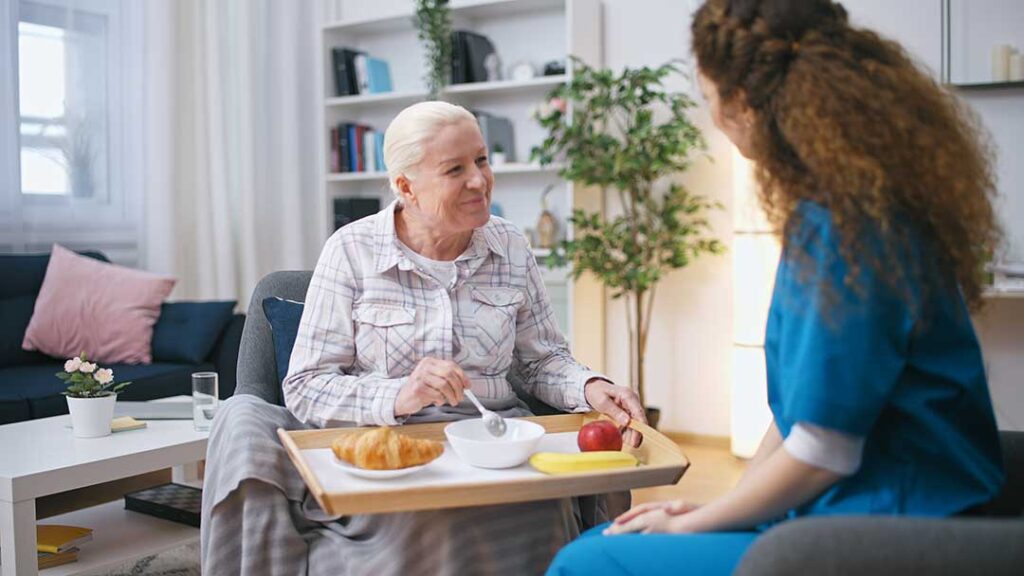
Loneliness is a challenge that affects many individuals living in assisted living communities, and its impact goes beyond simple feelings of solitude—it can influence overall well-being, both physically and emotionally. For families seeking senior care in Rochester, Pennsylvania, understanding how loneliness develops and how it can be managed is essential for supporting their loved ones’ quality of life. Fortunately, Rochester’s tight-knit community and rich array of local activities offer unique solutions for tackling loneliness head-on.
Understanding Loneliness in Assisted Living
Often, seniors may move to assisted living after changes in health, the loss of a spouse, or difficulty maintaining a home. While assisted living communities in Rochester emphasize safety, health, and comfort, some residents still experience feelings of isolation. This can be due to:
- Moving away from familiar neighborhoods and friends
- Difficulty adapting to new routines
- Mobility or sensory challenges limiting participation in group activities
- Limited regular contact from family and friends
Recognizing the signs and proactively addressing loneliness can help residents feel more connected, engaged, and happier during their stay.
The Unique Lifestyle of Rochester, Pennsylvania
Rochester isn’t just another Pennsylvania town; it’s a place where community spirit thrives. With its scenic views of the Beaver and Ohio Rivers, historic Main Street, and frequent local events, there’s a comfortable, neighborly feel to everyday life here.
Inhabitants of Rochester are no strangers to looking out for one another. Assisted living communities can harness that same spirit—by keeping residents involved in Rochester traditions, historic walking tours, locally themed crafts, and interactions with area schools and volunteer groups, there are many opportunities for seniors to remain engaged and socially active.
Strategies for Managing Loneliness in Assisted Living
1. Encourage Local Engagement
It’s important for assisted living facilities in Rochester to tap into community resources:
- Invite local musicians, historians, and school clubs for regular performances, talks, or craft sessions.
- Organize outings to the Rochester Area Heritage Society Museum, local diners, or riverside parks.
- Participate in community fairs or farmer’s markets, allowing residents to interact with neighbors and friends.
These programs help residents retain a connection to Rochester’s familiar social fabric.
2. Foster Peer Relationships
Creating a welcoming environment within the assisted living community is essential. Encouraging shared meals, interest-based clubs (from gardening to card games), and accessible communal spaces can spark new friendships.
- Support new residents with a buddy system where established members help newcomers acclimate.
- Host movie nights, trivia games, or storytelling evenings centered on Rochester’s history and culture.
- Offer group exercise classes—using gentle movements appropriate for all skill levels—to encourage camaraderie and physical activity.
3. Encourage Family and Intergenerational Connections
Social bonds outside of the assisted living environment are equally important. Facilities can:
- Arrange for regular family days with themed picnics, arts-and-crafts, or bingo tournaments.
- Invite local youth and volunteer groups to spend time with residents, sharing stories, technology lessons, or collaborative art projects.
- Offer virtual visit options for families who may live out of state or have difficulty traveling, using video calls to keep loved ones connected no matter the distance.
4. Personalize Support and Activities
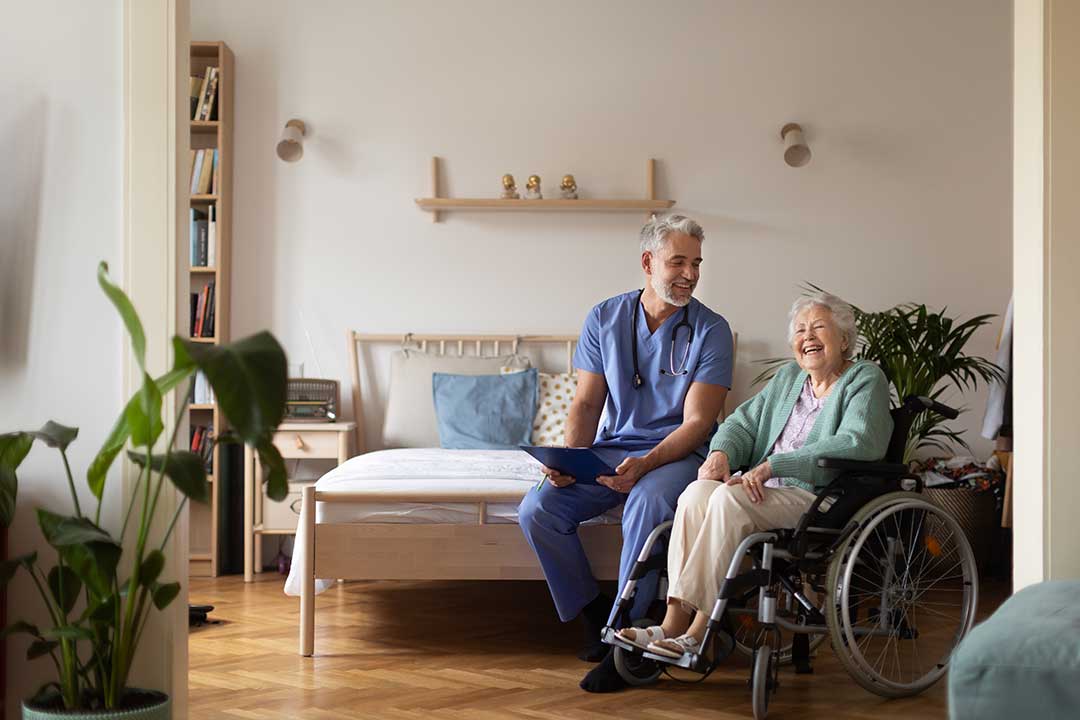
No two residents have the same background or preferences. Rochester’s diversity—from fishing enthusiasts who love the riverside, to long-time church choir members or military veterans—means activities should be varied and tailored. Staff should encourage conversations about personal hobbies or pastimes and incorporate these into programming. Examples include:
- Small-group book clubs featuring local authors or history.
- Art classes focusing on painting Rochester’s landscapes.
- Reminiscence sessions where residents share memories tied to local landmarks or past festivals.
5. Support Emotional Wellness
Assisted living facilities should recognize when loneliness crosses into deeper emotional issues, such as depression or anxiety. Offering support groups, regular access to mental health professionals, and onsite clergy visits (for spiritual care and counseling) can provide residents with trusted outlets to express their feelings.
- Mindfulness exercises, meditation, or music therapy programs can also help residents cope with difficult emotions in a constructive, supportive way.
The Role of Families in Managing Loneliness
Families play a vital role in preventing and alleviating loneliness for their loved ones in Rochester assisted living facilities. Staying involved by:
- Visiting regularly, even for short periods
- Sending letters, photos, and care packages
- Calling or video chatting
- Participating in facility events and outings
These actions show residents they are valued, loved, and remembered.
Seeking Help from Assisted Living Staff
If a loved one in assisted living seems withdrawn, uncommunicative, or less interested in activities, families should voice their concerns to staff. Most assisted living teams in Rochester are trained to recognize and address signs of loneliness, but direct communication helps ensure the best support is provided.
Embracing Rochester’s Community for Richer Living
Managing loneliness in assisted living isn’t just about preventing negative emotions; it’s about celebrating the meaningful connections that make life in Rochester, PA, so special. By blending community traditions, fostering new relationships, and encouraging family and intergenerational ties, everyone involved can help ensure that seniors enjoy a vibrant, engaged, and fulfilling life—even as their needs change.
If you have questions about choosing an assisted living community in Rochester or need guidance on supporting a loved one, reach out to a local expert or healthcare provider for tailored recommendations.
