
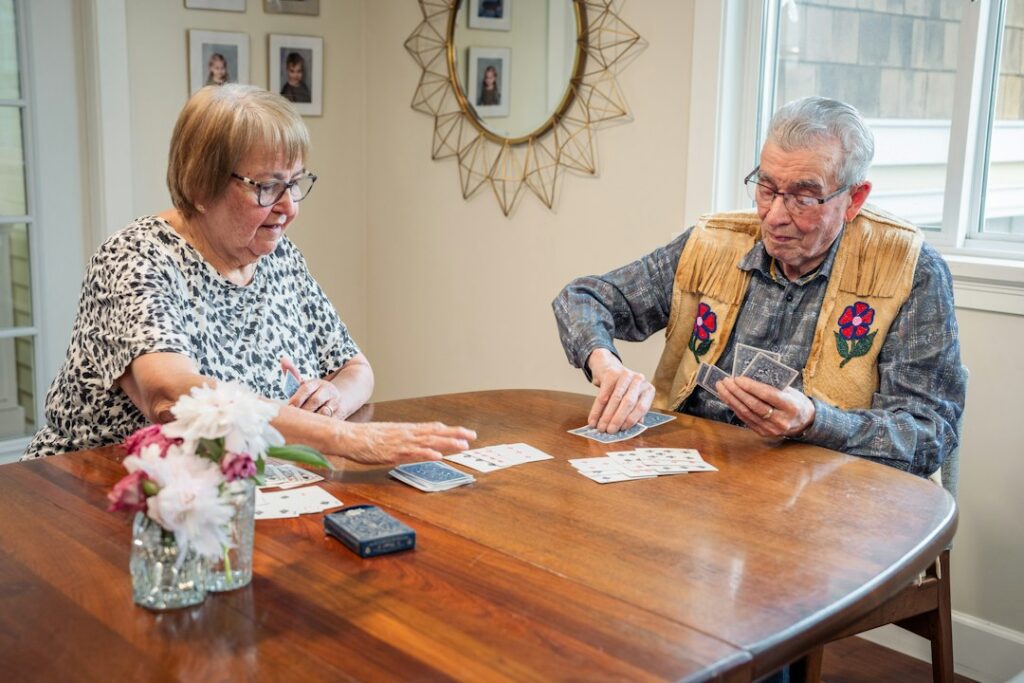
Volunteers can add companionship, variety, and meaningful connection to daily life in assisted living communities. Their role is not to replace trained caregivers, nurses, or other staff. Instead, volunteers usually support social activities, personal interests, community connection, and the small moments that help residents feel included.
What do volunteers do in assisted living communities?
Volunteers commonly help with nonmedical, relationship-centered activities. Their responsibilities depend on the community, their training, and the needs of the residents.
Typical volunteer activities include:
- Visiting with residents who would enjoy conversation
- Reading books, newspapers, or letters aloud
- Playing cards, board games, or simple puzzles
- Helping with crafts, music, gardening, or other group activities
- Accompanying residents to approved social events within the community
- Assisting with organized worship, discussion groups, or cultural programs
- Writing letters, sorting photographs, or recording family stories
- Helping residents use tablets, phones, or video calls
- Supporting seasonal programs and intergenerational activities
- Offering friendly companionship during meals or community events
Some volunteers have a particular skill, such as playing an instrument, teaching art, leading exercise, or speaking another language. Others contribute simply by being dependable listeners.
Can volunteers provide hands-on care?
Generally, volunteers should not perform tasks that require clinical training, personal-care authorization, or professional judgment. They should not administer medication, provide wound care, transfer a resident without proper training, assist with bathing or toileting unless specifically authorized, or make decisions about a resident’s health or treatment.
A volunteer may walk with a resident during an approved activity, but that is different from providing mobility assistance that requires specialized training. A volunteer may remind someone that an activity is beginning, but medication reminders and health-related instructions should follow the community’s established procedures.
The boundary protects both residents and volunteers. Assisted living staff remain responsible for care planning, supervision, emergency response, and personal-care needs.
How do volunteers benefit residents?
The main benefit is regular human connection. Residents may have family members who live far away, work during the day, or cannot visit frequently. A consistent volunteer can provide another familiar face and a reason to look forward to a particular day.
Volunteer involvement may support:
- Reduced loneliness and social isolation
- Greater participation in activities
- Opportunities to share skills, memories, and life experiences
- Continued connection to hobbies and personal interests
- More contact with people of different ages and backgrounds
- A stronger sense of belonging within the community
- Confidence using technology to communicate with family
The value is not measured only by the number of activities completed. A quiet conversation, a shared cup of coffee in a common area, or listening carefully to a resident’s memories may be more meaningful than a crowded event.
Why is consistency more important than occasional visits?
A dependable schedule often matters more than a large amount of volunteer time. Residents may become disappointed or confused if a volunteer makes promises and then does not return. Even a visit every other week can be valuable when it is predictable.
Volunteers should be realistic about their availability. If weather, work, transportation, or family responsibilities may interfere with visits, those limits should be discussed with the community in advance. In Rochester, winter weather and changing road conditions may affect travel plans, so clear communication is especially useful during colder months.
Consistency also helps volunteers learn a resident’s communication style, interests, routines, and comfort level. Trust tends to develop through repeated, respectful contact.
What should a volunteer know before meeting residents?
Volunteers should receive an orientation before beginning regular service. The orientation may cover privacy, infection prevention, emergency procedures, boundaries, reporting concerns, communication with residents who have memory loss, and rules for visitors.
Useful questions to ask include:
- Which activities may volunteers lead or assist with?
- Who provides supervision?
- What should happen if a resident falls or appears unwell?
- How should a concern about neglect, abuse, or sudden change be reported?
- Are background checks, health screenings, or immunizations required?
- Are photographs, gifts, transportation, or social media contact allowed?
- What information about residents must remain private?
- What should volunteers do during an emergency evacuation or severe weather event?
Policies may differ between communities. A volunteer should follow the community’s procedures rather than relying on personal assumptions.
How can volunteers communicate well with residents who have memory loss?
Residents living with dementia or other cognitive changes may still benefit greatly from volunteer visits. The conversation may need to be slower, shorter, and more flexible.
Helpful approaches include:
- Introduce yourself each time if the resident does not remember you
- Use a calm voice and simple questions
- Focus on familiar subjects such as music, work, family traditions, or pets
- Avoid correcting every inaccurate statement
- Offer two choices instead of asking broad questions
- Watch for signs of fatigue, frustration, or overstimulation
- Redirect gently if a topic causes distress
- Treat the resident as an adult and preserve dignity

A resident may repeat a story or question several times. Responding with patience is usually more helpful than pointing out the repetition.
Can volunteers visit residents who are sick?
Volunteers should not visit when they have symptoms of a contagious illness or have recently been exposed to an infection, unless the community provides specific instructions. Assisted living residents may be more vulnerable to respiratory and other illnesses.
Communities may also temporarily change visiting rules during outbreaks, severe weather, or other public health concerns. Volunteers should follow screening, hand hygiene, masking, and distancing procedures when required.
A brief absence is better than exposing residents to illness. Volunteers can sometimes remain connected through a phone call, letter, or approved video visit.
What boundaries should volunteers maintain?
Warmth and friendliness are appropriate, but volunteers should avoid becoming a resident’s personal financial adviser, caregiver, or substitute family member. Clear boundaries help prevent misunderstandings and protect residents who may be vulnerable to pressure or exploitation.
Volunteers should not:
- Borrow or lend money
- Accept large gifts, loans, or valuable personal items
- Manage bank accounts or legal documents
- Make promises about housing, medical care, or family matters
- Share private resident information
- Post photographs or stories without proper permission
- Take residents off the property without authorization
- Pressure residents to participate in religion, politics, or activities
If a resident shares a concern about mistreatment, missing belongings, fear, or unsafe conditions, the volunteer should report it through the community’s designated process instead of attempting to investigate independently.
How can family members evaluate a volunteer’s involvement?
Family members may ask how volunteers are screened, trained, supervised, and matched with residents. It is reasonable to ask whether volunteer activities are documented, how privacy is protected, and who handles concerns.
Families should also remember that volunteers are not a replacement for staffing. A volunteer may provide companionship, but cannot be expected to monitor a resident continuously, respond to medical emergencies, or guarantee personal safety.
The most productive volunteer relationships fit within the community’s care structure. Staff coordinate care, residents retain choice and dignity, families remain involved as appropriate, and volunteers contribute time and attention within clearly defined limits.
What makes a volunteer visit meaningful?
Meaningful visits begin with the resident’s preferences rather than the volunteer’s agenda. Some residents enjoy conversation, while others prefer music, quiet company, or help organizing familiar photographs.
A good visit may involve asking about a favorite song, looking through a family album, discussing the weather, or sitting together during an activity. The goal is not to keep the resident entertained every minute. It is to offer respectful presence, choice, and connection in a way that feels comfortable.
For older adults in Rochester, the most useful volunteer programs are often those that recognize individual history and local community ties while remaining flexible about health, mobility, weather, and changing interests.
