

How Can Assisted Living Impact Senior Mental Health?
Assisted living communities influence mental well-being in several ways. For many, these settings offer social interaction, daily structure, and support with activities, which can help reduce feelings of loneliness and worry that some older adults experience when living alone.
Social opportunities—from communal meals to group activities—create a sense of belonging. Staff assistance with personal care and medication management helps residents maintain independence while receiving help where needed. In Rochester, PA, seasonal changes can limit outdoor interactions, so regular indoor programming often plays a bigger role for mental health during colder months.
What Mental Health Issues Are Common in Local Assisted Living Communities?
Depression and anxiety are the most frequently observed mental health challenges among seniors in assisted living. It’s not uncommon for people to struggle with grief from losses, worries about declining health, or stress related to major life changes, such as leaving a longtime home.
Cognitive decline—such as mild memory issues or more advanced dementia—can also affect how residents feel and interact. Sometimes, what looks like confusion or withdrawal is related to treatable depression or anxiety rather than memory loss alone.
Other issues that might emerge include:
- Adjustment difficulties when first moving into a community
- Social isolation when residents are shy or have limited mobility
- Sleep disruptions due to illness or unfamiliar routines
How Are Mental Health Concerns Typically Identified?
Staff in assisted living settings are usually trained to notice changes in residents’ behavior, mood, or communication. Friends, family, and neighbors are also important sources who may spot small shifts, like withdrawal from activities or changes in sleep and appetite, that indicate emotional distress.
Screenings for depression or confusion may be performed during move-in assessments or yearly health checks. Family input is valued if a loved one notices personality or behavioral changes.
A common misconception is that memory loss or sadness are just “normal parts of aging.” In reality, mental health concerns are treatable and deserve attention at any age.
What Supports Are Available Within Assisted Living?
Most local assisted living communities offer a combination of social, emotional, and practical supports designed to protect and strengthen residents’ mental well-being:
- Structured daily routines for predictability and reduced anxiety
- Activities that encourage movement, creativity, or reminiscence (such as art, music, or gentle exercise)
- Opportunities for peer connection and support
- Staff awareness of how physical health changes may affect mood
- Encouragement for residents to maintain family and community ties, such as through phone calls or holiday visits, especially during Rochester’s winter, when travel is harder
Clinical mental health support varies. Some locations have visiting counselors or social workers; more commonly, staff can refer residents or families to outside professionals if deeper intervention is needed.
How Do Seasons and Local Lifestyle Affect Mental Health?
In Rochester, cold weather, shorter days, and limited daylight can make it harder for seniors—whether living in their own home or assisted living—to stay socially and physically active. This can increase risks of depression, known as winter blues or seasonal affective disorder.
Assisted living residents may benefit from:
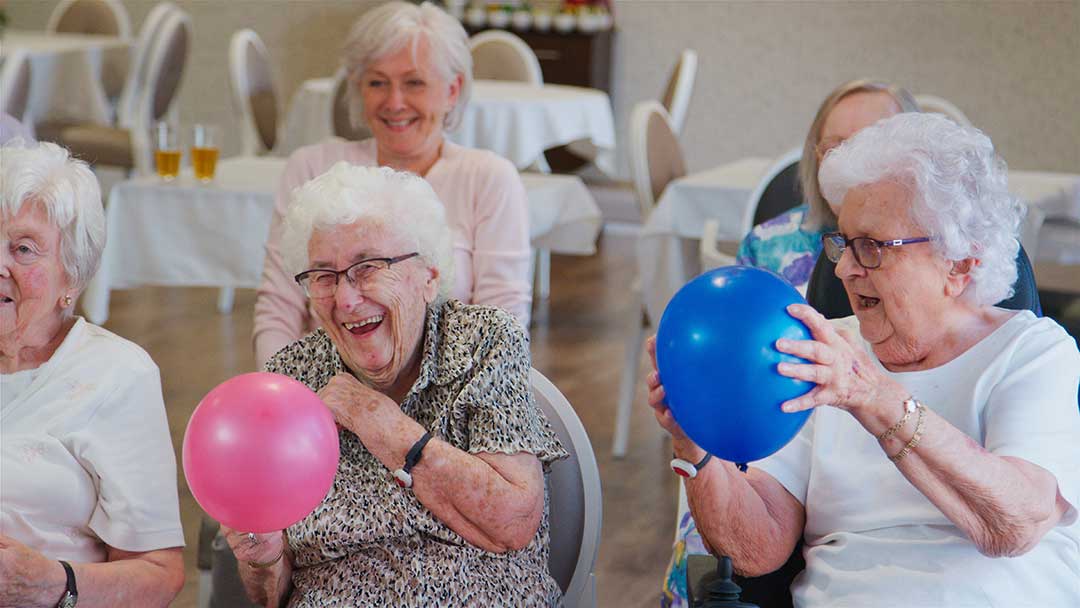
- Indoor common spaces for activity and socializing when outdoor activity isn’t possible
- Access to windows and well-lit areas to help boost mood during darker months
- Group engagement activities to prevent isolation during periods of severe weather
Households and staff who understand the impact of local climate on seniors’ routines are often better prepared to support mental health year-round.
What Are Common Misunderstandings About Assisted Living and Mental Health?
A frequent misunderstanding among families is that assisted living is only for physical challenges, not emotional or cognitive needs. In fact, mental health is an integral part of each resident’s care plan, alongside support with daily tasks.
Another myth is that seniors stop needing social connection or new experiences as they age. In reality, opportunities for friendship and meaningful activity help older adults stay motivated and feel valued—regardless of mobility or health limitations.
What Can Families and Friends Do To Support Loved Ones?
Family connection remains vital. Regular visits, phone calls, or familiar routines—like sharing a meal or bringing photos from home—can help residents stay emotionally grounded.
Some practical ways families can support loved ones include:
- Joining in for a group event or activity
- Checking in often, especially after a recent move
- Asking about mood and interests, not just physical health
- Sharing changes in behavior with community staff to catch concerns early
When families, staff, and residents communicate openly, mental health issues are more easily noticed and addressed.
