
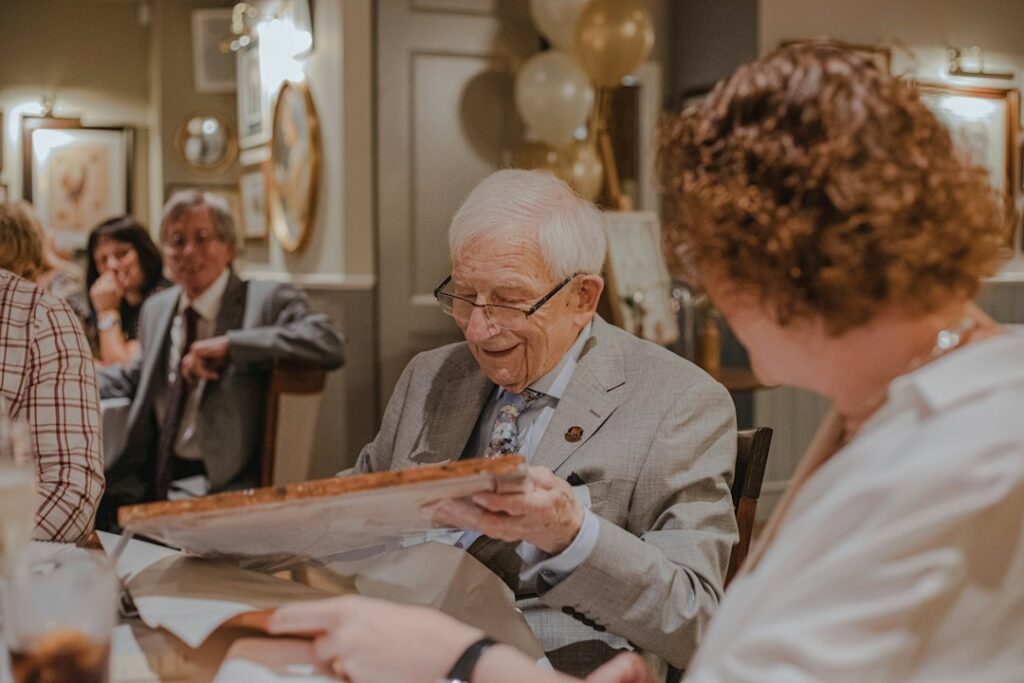
Seasonal activities can help assisted living residents stay connected, active, and engaged throughout the year. The most successful programs match each season to residents’ abilities, interests, health needs, cultural traditions, and comfort with indoor or outdoor settings.
In Rochester, PA, changing weather creates natural opportunities for varied activities. Cold winters may call for indoor gatherings, while spring, summer, and early fall can support gardening, outdoor conversation, and supervised time in fresh air.
What makes a seasonal activity appropriate for assisted living residents?
A suitable activity is enjoyable, adaptable, and safe for people with different mobility, vision, hearing, and memory needs. Activities should offer more than entertainment; they can also support conversation, movement, creativity, personal identity, and a sense of belonging.
Useful planning questions include:
- Can the activity be completed while seated?
- Is there a simpler version for residents who tire easily?
- Are instructions easy to hear and follow?
- Can residents participate without needing strong eyesight or fine motor control?
- Is the room comfortable, well-lit, and free of tripping hazards?
- Does the activity allow residents to choose whether to observe, assist, or participate fully?
A seasonal program should not assume that every resident enjoys the same holidays, foods, music, or traditions. Offering choices helps residents remain involved without feeling pressured.
Which winter activities work well indoors?
Winter activities are often most successful when they create warmth, routine, and social contact. Snow, ice, and shorter daylight hours can make outdoor plans difficult, especially for residents using walkers or wheelchairs.
Indoor winter ideas include:
- Decorating small tabletop trees, wreaths, or paper snowflakes
- Listening to familiar winter music and discussing memories connected to it
- Holding a hot beverage social with caffeine-free and low-sugar options
- Making simple crafts with large, easy-to-handle materials
- Hosting a winter reading circle with short stories, poems, or newspaper features
- Looking through family photographs and sharing winter traditions
- Playing gentle indoor games such as matching cards, trivia, or word puzzles
- Creating a “winter memories” display using residents’ stories and artwork
Reminiscence activities can be especially meaningful. Residents might discuss favorite winter meals, school cancellations, holiday customs, clothing from earlier decades, or ways families traveled during snowy weather. The focus should be on conversation rather than testing memory.
Outdoor winter time may still be possible on mild days, but it requires careful attention to icy walkways, cold temperatures, wind, and changing weather. A brief supervised visit near a safe entrance or window can provide seasonal stimulation without exposing residents to unnecessary risk.
How can spring activities support movement and connection?
Spring offers opportunities to reintroduce outdoor activities gradually. In Rochester, PA, wet ground, cool mornings, and uneven surfaces may remain concerns even after temperatures begin to rise.
Accessible spring activities may include:
- Planting herbs or flowers in raised containers
- Arranging cut flowers in lightweight vases
- Watching birds from a window, patio, or secure outdoor area
- Taking short walks on clear, level paths
- Decorating eggs or making spring-themed art
- Listening to rain and discussing signs of seasonal change
- Preparing simple fruit-and-yogurt snacks
- Creating a community bulletin board with spring memories and sayings
Gardening does not require bending, kneeling, or working for long periods. Residents can sort seeds, label containers, water plants with small cups, arrange flowers, or choose colors for a planting project. Raised planters and tabletop containers make participation easier for people who use wheelchairs or have limited balance.
Spring is also a good time to offer movement programs that focus on flexibility and balance. Seated stretching, gentle hand exercises, and short walking groups can help residents participate at a comfortable pace. Staff should watch for fatigue, dizziness, slippery surfaces, and sudden temperature changes.
What summer activities are safe and enjoyable?
Summer activities should take advantage of longer daylight while protecting residents from heat, dehydration, sun exposure, and insects. Morning or early evening is often more comfortable than the hottest part of the afternoon.
Possible summer activities include:
- Outdoor music or sing-along sessions in a shaded area
- Container gardening with vegetables, herbs, or flowers
- Ice cream or fruit tastings with dietary alternatives
- Watercolor painting, sidewalk art, or nature sketching
- Porch conversations and storytelling
- Bird watching or cloud watching
- Gentle balloon volleyball played indoors or in a shaded space
- Summer-themed trivia about travel, food, sports, or family traditions

Hydration should be built into the activity rather than treated as an afterthought. Water, flavored water, and other suitable beverages can be offered regularly, while staff monitor residents who may not recognize thirst or who have fluid restrictions.
Outdoor areas should have stable seating, shade, clear walking paths, and easy access to restrooms. Sunscreen, hats, light clothing, and insect protection may be appropriate, depending on the resident’s health needs and preferences.
How can fall activities reflect local seasonal changes?
Fall often provides comfortable temperatures for outdoor activities, but changing leaves, rain, and shorter days require flexible planning. Residents may enjoy activities that connect them with familiar household routines and seasonal foods.
Ideas include:
- Decorating with leaves, pinecones, or paper designs
- Making a seasonal collage using safe, lightweight materials
- Baking or preparing simple recipes adapted for dietary needs
- Holding a harvest-themed music or storytelling program
- Watching the colors change from a window or accessible outdoor area
- Sorting apples, gourds, or other decorative items by size and color
- Creating gratitude cards or notes for family members
- Discussing school memories, clothing styles, and fall traditions
Food-related activities should account for diabetes, swallowing difficulties, food allergies, sodium restrictions, and other dietary requirements. Residents can still participate by measuring ingredients, choosing decorations, smelling spices, or discussing recipes even when they cannot eat every item.
Fall is also a useful time to prepare residents for the transition to colder weather. A clothing discussion, seasonal safety program, or indoor walking routine can help maintain comfort and activity as outdoor opportunities become less predictable.
How should activities be adapted for memory loss or limited mobility?
Residents with dementia or other cognitive changes often benefit from familiar, structured activities with one step at a time. A person does not need to complete an entire project to have a meaningful experience.
Helpful adaptations include:
- Using large, high-contrast materials
- Providing visual demonstrations instead of lengthy explanations
- Offering two or three choices rather than many options
- Repeating familiar routines
- Allowing extra time for responses
- Using music, scents, textures, and objects connected to the season
- Accepting observation as a valid form of participation
For residents with limited mobility, activities can be moved to a table, lap tray, bedside setting, or small group. Tasks such as folding towels, arranging cards, sorting objects, watering plants, or selecting music can support purpose without requiring strenuous movement.
How can families support seasonal engagement?
Families can contribute personal knowledge that makes activities more meaningful. A resident may enjoy sharing a recipe, photograph, song, craft tradition, or story from a former home.
Family participation might include bringing copies of photographs, recording a short story, joining a seasonal craft, sharing a favorite book, or helping create a memory display. Visits do not need to involve large events. A quiet conversation about the first snowfall, a garden, or a familiar holiday meal may be more comfortable for some residents.
Seasonal programming works best when residents have genuine choices. A person may prefer to watch rather than participate, attend a smaller group instead of a large gathering, or enjoy a familiar activity repeatedly. Respecting those preferences helps each season feel personal, manageable, and worthwhile.
